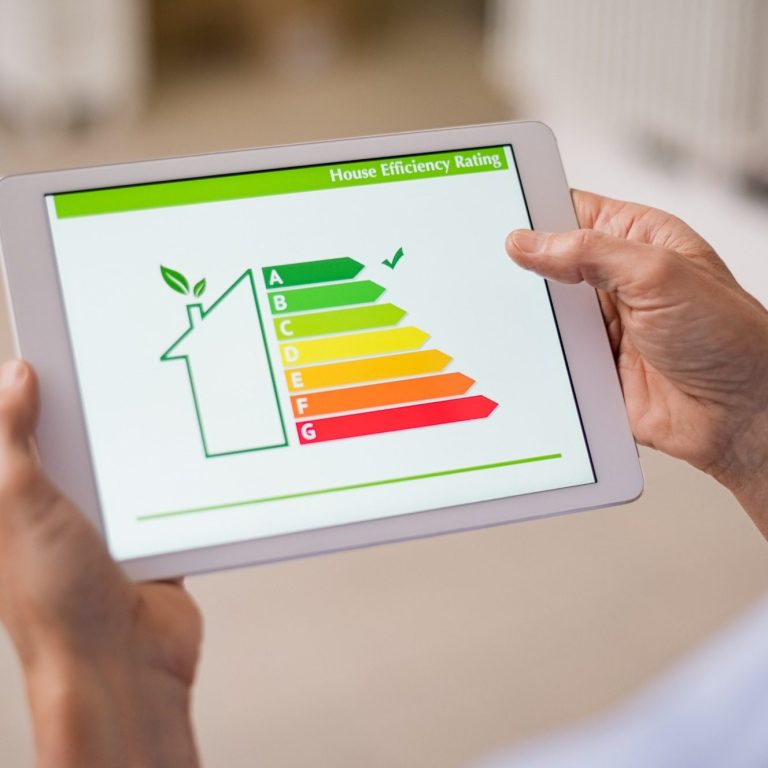

Commercial EPC
A Commercial EPC is legally required when selling, renting or constructing commercial premises in England and Wales. It provides an energy efficiency rating and ensures compliance with Minimum Energy Efficiency Standards (MEES) regulations.
Who Needs A Commercial EPC?
The following premsies require a commercial EPC:-
- Offices
- Shops
- Industrial units
- Restaurants
- Warehouses

Commercial EPC Regulations in England & Wales
Minimum Energy Efficiency Standards (MEES)
Under the Energy Performance of Buildings (England and Wales) Regulations 2012, a commercial property must have an EPC when it is:
✅ Sold
✅ Rented or leased
✅ Constructed (new build)
The EPC must be available before marketing the property.
Estate agents and landlords can face penalties if a valid EPC is not provided.
The Minimum Energy Efficiency Standards regulations mean:
Commercial properties generally must achieve at least an EPC rating of E
Buildings rated F or G cannot legally be leased unless exempt
Commercial properties need an Energy Performance Certificate (EPC) in England and Wales because it is a legal requirement under UK energy efficiency regulations.
Commercial EPC - The Facts
Legal Requirement
Under the Energy Performance of Buildings (England and Wales) Regulations 2012, a commercial property must have an EPC when it is:
✅ Sold
✅ Rented or leased
✅ Constructed (new build)
The EPC must be available before marketing the property.
Estate agents and landlords can face penalties if a valid EPC is not provided.
What a Commercial EPC Does
A Commercial EPC:
Rates a building’s energy efficiency from A–G
Estimates energy running costs
Shows carbon emissions
Provides recommendations to improve efficiency
This helps buyers and tenants understand how energy-efficient the premises will be to operate.
Minimum Energy Efficiency Standards (MEES)
The Minimum Energy Efficiency Standards regulations mean:
Commercial properties generally must achieve at least an EPC rating of E
Buildings rated F or G cannot legally be leased unless exempt
This applies to:
Offices
Retail units
Warehouses
Industrial buildings
Hospitality premises
Protects Tenants & Businesses
An EPC allows businesses to:
Compare operating costs between premises
Predict heating and electricity expenses
Identify efficiency upgrades
Reduce long-term energy bills
Helps Meet Net Zero Targets
EPCs support UK government goals to:
Reduce carbon emissions
Improve building efficiency
Encourage sustainable commercial property use
How Long does a Commercial EPC Last?
A commercial EPC:
Is valid for 10 years
Can be reused unless major building changes occur
Why Choose ABC Energy Reports?
- Fully accredited energy assessor for Domestic & Commercial EPC Assessments
- Fast turnaround times
- Competitive fixed pricing
- Local Hertfordshire specialist
- Trusted by landlords & estate agents
- Fully DBS Checked
- Quote upon request, No hidden costs