
Why an Accurate EPC Matters for Your Rented Property
Why an Accurate EPC Matters for Your Rented Property
An Energy Performance Certificate, or EPC, is more than just a legal document. It gives tenants a clear picture of how energy efficient a property is, how much it may cost to heat and power, and what improvements could make it cheaper and more comfortable to live in.
For landlords, having an accurate EPC is essential. In England and Wales, privately rented homes currently need a minimum EPC rating of E, unless a valid exemption applies. Government guidance on the domestic private rented sector was last updated on 5 May 2026, so it is important landlords rely on up-to-date information. (GOV.UK)
An inaccurate EPC can cause problems in several ways. If the rating is wrong, a landlord may believe their property is compliant when it is not. This could lead to enforcement action, delays in letting the property, or unexpected upgrade costs. It can also mislead tenants, especially at a time when energy bills remain a major concern.
A correct EPC can also help protect the value and marketability of a rental property. Tenants are increasingly looking for homes that are warmer, cheaper to run and less wasteful. A strong EPC rating can make a property more attractive, while the recommendations in the report can help landlords plan improvements sensibly.
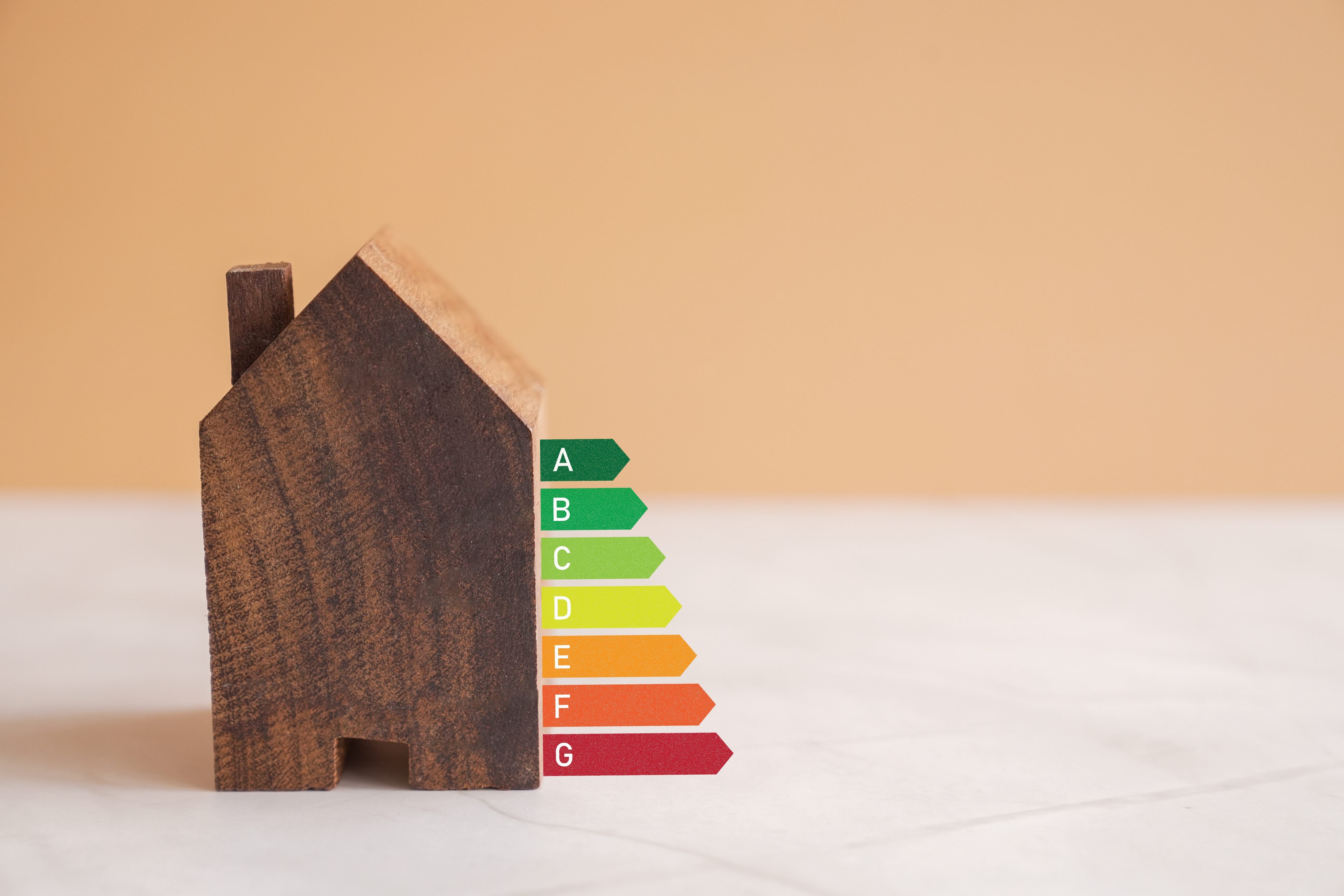
An EPC is required when a building is sold, let or newly constructed, and its purpose is to show prospective tenants or buyers the energy efficiency of the building. Ratings run from A to G, with A being the most efficient. (GOV.UK)
In short, an accurate EPC helps landlords stay compliant, gives tenants confidence, and supports better long-term property planning. Treating it as a useful management tool — not just paperwork — can reduce risk, improve tenant satisfaction and help future-proof your rental investment.